
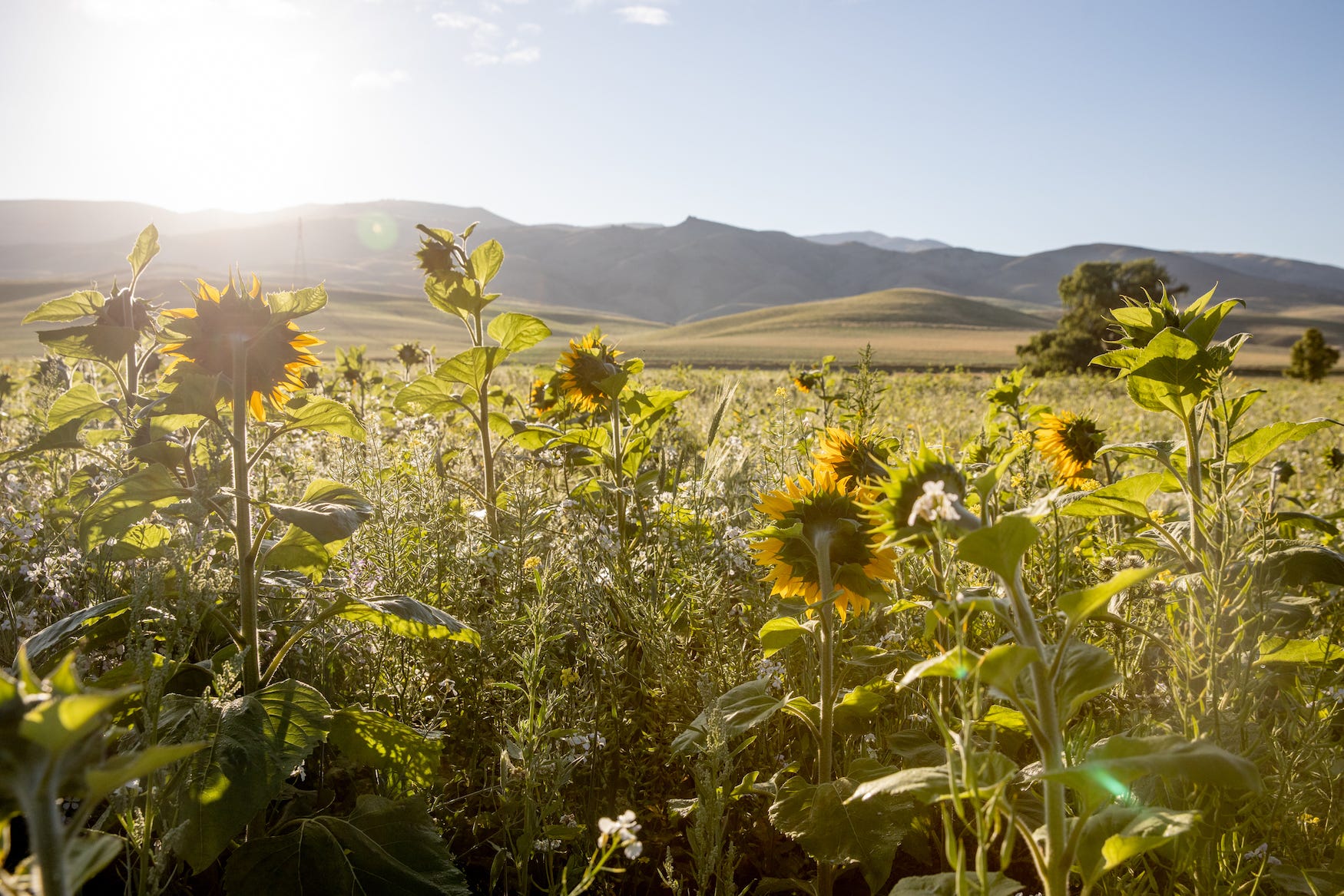
Why New Zealand is Poised for a Food Revolution
New Zealand has always worn its natural-food credentials like a badge—clean water, temperate climates, and strong agricultural know-how. But lately those strengths are mixing with entrepreneurship, foodtech and a consumer shift toward health and sustainability. From small artisan producers to fledgling foodtech startups, Kiwi innovators are reimagining what ‘food from Aotearoa’ looks like — and how it can travel to global plates.
The Market Today: Plant-based + Organic Trends in NZ
Consumer attitudes and dietary shifts
Kiwis are increasingly flexitarian: while only a minority identify strictly as vegan or vegetarian, many are reducing meat and dairy for health, environmental or ethical reasons. Surveys and community groups show openness to plant-based products, and retailers are responding with wider ranges and in-store placement.
Market size, growth signals & export potential
The plant-based and organic segments in NZ are small compared to global powerhouses but are showing strong momentum. Market reports and specialist analyses highlight growing retail interest in plant milks, tofu/tempeh, and gourmet vegan products — and point to export opportunities where NZ’s clean-image is an advantage. Government market briefs and industry bodies have flagged plant-based and organics as strategic growth areas.
Key Players & Home-grown Success Stories
Small brands scaling up: examples
Across New Zealand you’ll find makers turning kitchen recipes into shelf products — from plant-based cheese artisans and vegan charcuterie to oat-milk startups publishing carbon footprints as part of their brand story. These companies prove that authenticity + transparency resonates with buyers.
Foodtech and accelerator ecosystems
Beyond artisanal food there’s a growing foodtech ecosystem: founders’ networks, accelerators, and meetups that help founders experiment with precision fermentation, alternative proteins and scaled plant-based manufacturing. Groups that connect innovators with export intelligence and investors are accelerating development.
NZ Plant-Based Business Ideas — low-cost to high-tech
If you’re an entrepreneur or investor eyeing NZ, here are realistic, actionable ideas across budgets and technical complexity — all suited to NZ demand and export potential.
Product-based (low- to medium complexity)
- Small-batch plant cheeses and fermented deli items — high margin, good for local cafes and premium grocery.
- Barista-grade oat or pea milk processed from NZ oats/legumes and marketed on traceability.
- Ready meals and meal kits with NZ-grown legumes, native vegetables and bold flavors for international consumers seeking clean supply chains.
Service-based (medium complexity)
- Plant-based catering for events and corporate clients (supply chain plus showmanship).
- B2B contract manufacturing for restaurants and retailers that need private-label vegan products.
- Educational workshops and pop-up tasting experiences that build community and brand loyalty.
Tech & scale (higher complexity / capital required)
- Precision fermentation (cultured proteins, dairy analogues) developed in partnership with local universities.
- Food-grade ingredient R&D (e.g., texturizers from local crops, nutraceuticals).
- Plant-based export hubs that combine co-packing, cold chain logistics and certification expertise.
These ideas tie directly into the search intent behind “NZ plant-based business ideas” — practical options for residents, entrepreneurs and investors to explore.
Why Organic Certification Matters in NZ
Major certifiers and market access
Organic certification is a credibility shortcut for consumers and international buyers. In New Zealand, recognized certifiers like BioGro, AsureQuality and others are commonly used to validate claims and open export channels. Certification can be a key differentiator in premium markets.
How certification influences investor confidence
Investors often treat certification as a risk-reduction measure: it signals systems, traceability and repeatable processes — all crucial when scaling food production and accessing export markets.
Sustainability & Supply Chains: From Farm to Fork
Regenerative agriculture, local sourcing, circular systems
Sustainability for plant-based and organic businesses isn’t just a marketing line — it’s an operational challenge and advantage. Regenerative practices (soil health, crop rotations, minimal synthetic inputs) help secure resilient supply, and local sourcing reduces transport emissions and strengthens community ties.
Packaging and waste innovations
Inner-city startups and rural co-ops alike are experimenting with compostable packaging, reusable deposit systems, and secondary markets for upcycled by-products — smaller steps that add up in reputation and cost savings.
Funding, Policy & Support for Entrepreneurs
Grants, accelerators, export support
Entrepreneurs can tap government trade resources, regional development grants, and industry accelerators focused on agritech and food innovation. NZ Trade & Enterprise and related bodies provide export intel and connection services for brands ready to scale.
How investors evaluate plant-based startups
Investors look for defensible product differentiation (taste + nutrition), scalable manufacturing plans, route-to-market (retail vs. foodservice vs. export), and traceable supply chains. A clear path to certification and solid unit economics are huge pluses.
Practical steps to launch an NZ plant-based business
Minimum viable product (MVP) approach
Start with a tested recipe and a small production run for local markets — farmers’ markets, cafés and independent grocers are great feedback labs. Validate taste, price point, and shelf life before investing in large equipment.
Distribution channels and retail partnerships
Target local independents first, then specialty chains and online marketplaces. Partnerships with co-packers allow you to scale without owning a factory.
Export-readiness checklist
- Ensure certification (organic, where applicable).
- Confirm shelf life and cold chain requirements.
- Secure export documentation, tariffs intelligence and market listing contacts.
Pitfalls to avoid (quality, regulation, scaling too fast)
Common mistakes include scaling production without validated demand, overlooking regulatory labeling and food-safety requirements, and ignoring unit economics (price vs. cost) and fragile margins in fresh products.
The outlook: 5-year view for plant-based & organic in NZ
The next five years look promising if entrepreneurs, policymakers and investors collaborate. Expect incremental growth in retail plant-based categories, stronger organic supply chains, and pockets of high-tech innovation (fermentation and alternative proteins) that aim for export audiences seeking traceable, low-impact food. Industry analysts predict steady expansion of specific subcategories (plant dairy, fermented foods) while consumer education and price parity remain levers for mass adoption.
Conclusion
New Zealand has the ingredients for a genuine plant-based and organic food future: credible natural branding, skilled primary industries, and a growing community of creative entrepreneurs. For NZ residents, founders and investors, the sensible path is to start local, focus on taste and traceability, use certification to build trust, and scale with partners who understand export logistics. The future of food in Aotearoa can be sustainable and profitable — if innovation is matched with smart operations and an honest story (NZ plant-based business ideas).
Frequently Asked Questions (FAQs)
- Q1: What are the easiest NZ plant-based business ideas to start with low capital?
- Small-batch products (fermented spreads, barista oat milk, ready sauces), plant-based catering/pop-ups, or online subscription boxes are low-cap ways to test demand before investing in manufacturing.
- Q2: How important is organic certification for export?
- Very important for premium markets — organic certification from recognized NZ bodies (e.g., BioGro, AsureQuality) helps open overseas retail and distributor relationships.
- Q3: Where can I find funding or accelerator support in NZ for plant-based food startups?
- Look to regional development grants, NZ Trade & Enterprise resources, industry accelerators focused on agritech/foodtech, and private angel investors experienced in food or FMCG.
- Q4: Is there real consumer demand in NZ for plant-based products?
- Yes — while strict vegans are a minority, a much larger portion of Kiwis are flexitarian or open to plant-based options. That creates steady retail demand, especially for products with great taste and clear sustainability messaging.
- Q5: What tech trends should NZ entrepreneurs watch in plant-based food?
- Precision fermentation, ingredient R&D (texturizers, proteins from local crops), and scalable co-packing/logistics solutions can move companies from niche to mainstream if paired with strong market access.
- Discover how New Zealand’s plant-based innovators are transforming the future of sustainable food.
- Explore powerful business opportunities shaping NZ’s organic revolution today.
