
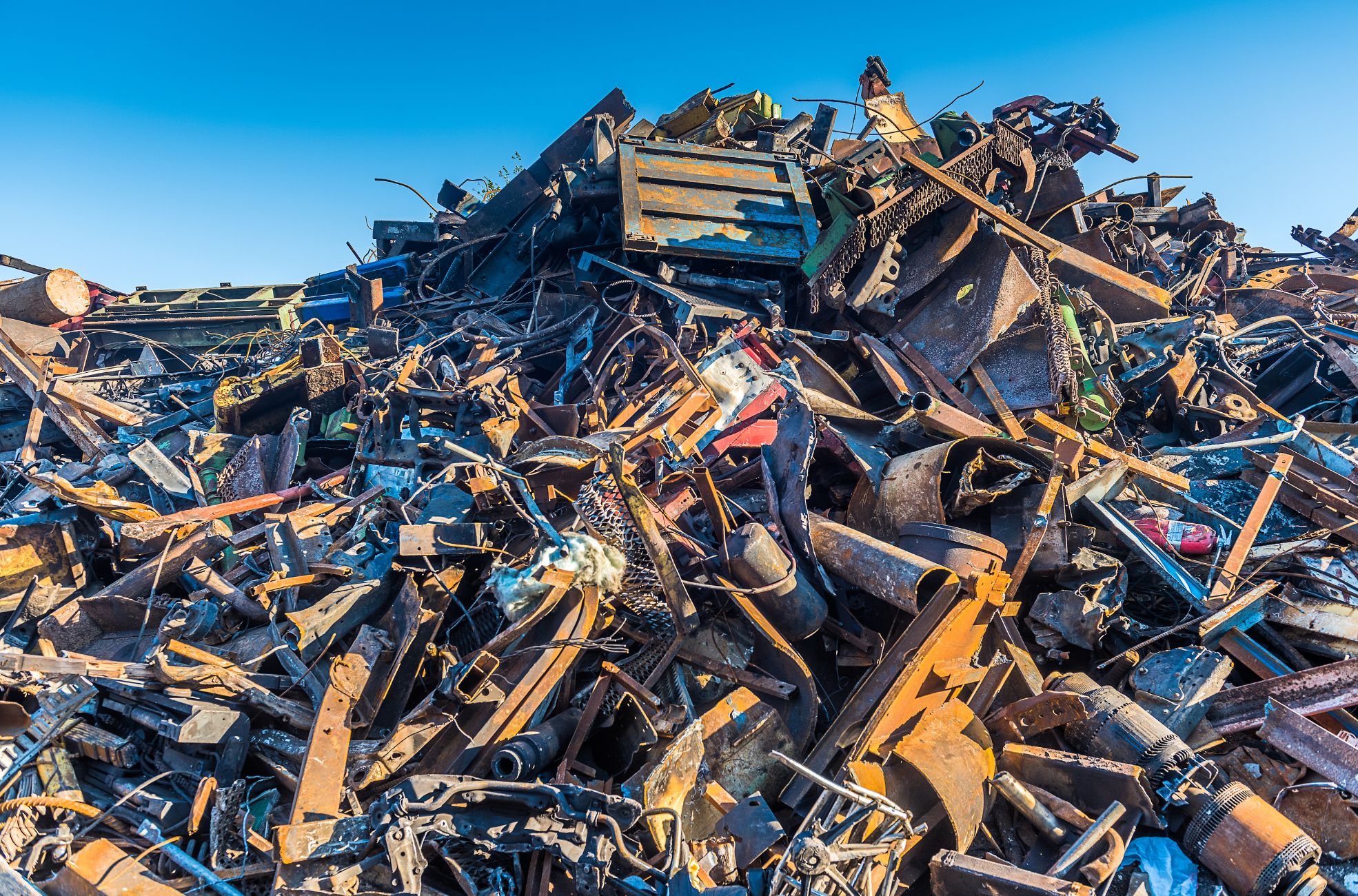
Introduction to Waste-to-Wealth Business
In a world where sustainability is becoming increasingly important, New Zealand stands at the forefront of innovative environmental solutions. One such groundbreaking concept is turning waste into wealth. Entrepreneurs in New Zealand are discovering new ways to recycle, repurpose, and transform waste into profitable businesses, all while addressing environmental challenges. These innovative ventures not only benefit the economy but also pave the way for a greener future.
What Is a Waste-to-Wealth Business?
Simply put, a waste-to-wealth business is one that takes discarded or unused materials and transforms them into valuable products or services. This process aligns with the concept of the circular economy, where resources are kept in use for as long as possible, and waste is minimized.
Waste-to-wealth business ideas in New Zealand are diverse and creative. They include everything from turning plastic waste into useful items like park benches to converting organic waste into energy. As the world grapples with increasing pollution and waste management issues, these businesses offer a unique opportunity to turn trash into treasure.
Why New Zealand? The Perfect Environment for Waste-to-Wealth Innovation
New Zealand is known for its stunning landscapes and commitment to environmental sustainability. The country has a thriving entrepreneurial ecosystem that encourages green business practices, which makes it an ideal location for waste-to-wealth businesses to flourish. With government support, initiatives promoting recycling, and a public eager to adopt sustainable practices, New Zealand provides the perfect breeding ground for entrepreneurs to turn waste into valuable resources.
The Rise of Waste-to-Wealth Entrepreneurs in New Zealand
The idea of turning trash into wealth is not just a passing trend in New Zealand; it’s rapidly becoming a mainstream business model. With increasing awareness about the environmental impact of waste, entrepreneurs are jumping at the chance to create businesses that focus on sustainability.
Key Challenges in Waste Management in New Zealand
One of the biggest challenges New Zealand faces in waste management is the high volume of waste produced by both households and industries. Despite efforts to recycle and reduce waste, there is still a lot that ends up in landfills. This problem has sparked innovative solutions from local entrepreneurs who are finding new ways to repurpose waste into profitable products.
New Zealand Government Support and Initiatives for Waste-to-Wealth Ventures
The New Zealand government has been a strong supporter of green initiatives, offering incentives and grants to businesses that promote sustainability. The country’s commitment to reducing carbon emissions and encouraging circular economic practices has led to the development of policies that support waste-to-wealth businesses. Entrepreneurs are encouraged to start ventures that not only contribute to the economy but also help solve environmental problems.
Innovative Waste-to-Wealth Business Ideas in NZ
New Zealand’s waste-to-wealth entrepreneurs are leading the way with several innovative ideas. Let’s explore some of the most successful business models that are turning waste into a valuable asset.
Turning Plastic Waste into Profits: The Future of Recycling
One of the most significant waste management challenges in New Zealand is plastic waste. Entrepreneurs are addressing this by developing technology to recycle plastics into durable and usable products. From eco-friendly furniture to construction materials, the potential for turning plastic waste into wealth is enormous.
Organic Waste to Fertilizer: Harnessing Nature’s Bounty
Another innovative idea gaining traction in New Zealand is turning organic waste into high-quality fertilizers. This not only helps reduce landfill waste but also provides farmers and gardeners with sustainable alternatives to chemical fertilizers. Entrepreneurs are capitalizing on the need for more sustainable agricultural practices by offering composting and organic fertilizer solutions.
From E-Waste to Gold: Transforming Old Electronics into Valuable Resources
As technology continues to evolve, the disposal of old electronics (e-waste) has become a growing issue. In New Zealand, some entrepreneurs are extracting valuable materials like gold, silver, and copper from old computers and phones. This process not only reduces the environmental impact of e-waste but also provides a source of raw materials for industries that rely on these metals.
How Entrepreneurs Are Capitalizing on NZ’s Circular Economy
The circular economy is a model that focuses on the continuous use of resources through recycling and repurposing. Entrepreneurs in New Zealand are embracing this model by creating businesses that align with its principles, reducing waste and maximizing resource value.
Case Study 1: The Success Story of a Plastic Waste-to-Park Furniture Business
One example of a successful waste-to-wealth business in New Zealand is a company that specializes in turning recycled plastic waste into park furniture. By collecting plastic waste from various sources, the business manufactures park benches, tables, and playground equipment. This initiative not only reduces plastic waste but also provides communities with durable, eco-friendly outdoor furniture.
Case Study 2: A Green Innovation in Organic Waste and Bioenergy
Another successful venture is a business that turns organic waste into bioenergy. This company collects food scraps and agricultural waste, processes it into biogas, and sells it as a renewable energy source. This business model contributes to reducing carbon emissions while providing a sustainable energy solution for New Zealand’s growing energy needs.
The Future of Waste-to-Wealth Business in New Zealand
The waste-to-wealth business model is still in its early stages in New Zealand, but the future looks promising. With technological advancements and increasing awareness of sustainability, entrepreneurs are finding new and innovative ways to repurpose waste.
Technological Advancements Driving Waste-to-Wealth Innovations
Technological advancements in recycling, waste processing, and resource recovery are the driving force behind many successful waste-to-wealth ventures in New Zealand. Entrepreneurs are leveraging cutting-edge technologies like AI and automation to improve the efficiency of waste management and create high-value products.
Scaling Up: How NZ Entrepreneurs Are Expanding Globally
While New Zealand is the birthplace of these innovative businesses, many entrepreneurs are now looking to expand globally. With a strong foundation in sustainability, New Zealand entrepreneurs are poised to take their waste-to-wealth ventures to international markets, helping to solve waste management problems worldwide.
Conclusion: Embracing a Sustainable Future for Business and Environment
New Zealand’s waste-to-wealth entrepreneurs are proving that sustainability and profitability can go hand in hand. With creative solutions to waste management and a strong commitment to the environment, these businesses are not only benefiting the economy but also contributing to a cleaner, greener planet. The future is bright for waste-to-wealth ventures, and New Zealand is leading the charge.
FAQs about NZ Waste-to-Wealth Businesses
- What is a waste-to-wealth business? A waste-to-wealth business takes discarded materials and transforms them into valuable products or services, promoting sustainability.
- How does New Zealand support waste-to-wealth entrepreneurs? New Zealand provides government grants, incentives, and a strong entrepreneurial ecosystem to encourage green business practices.
- Can waste-to-wealth businesses be profitable? Yes, many entrepreneurs are successfully turning waste into valuable products, from furniture to renewable energy, proving that sustainability can be profitable.
- What types of waste can be turned into wealth in New Zealand? Waste such as plastics, organic materials, and e-waste are being repurposed into valuable products like furniture, fertilizers, and raw materials.
- How do waste-to-wealth businesses help the environment? These businesses reduce landfill waste, promote recycling, and create sustainable products, contributing to a circular economy and a healthier environment.
Businessexpandir.com provides expert strategies for entrepreneurs and businesses looking to expand in New Zealand’s sustainable economy, with a focus on green and waste-to-wealth business models.
