
New Zealand’s artisanal food industry is becoming an important growth sector for entrepreneurs, SMEs, and sustainable food startups. Rising consumer demand for premium, organic, locally sourced, and ethically produced products has created new business opportunities across the country’s food market.
From craft beverages and specialty dairy products to organic snacks and farm-to-table brands, small food businesses are increasingly competing through quality, sustainability, and niche positioning rather than mass production.
As consumer preferences continue shifting toward healthier and more transparent food choices, New Zealand’s artisanal food sector offers strong long-term potential for startups looking to build scalable and export-ready businesses.
 New Zealand has become a hotspot for unique food products and locally sourced ingredients. Entrepreneurs exploring artisanal food ventures often find opportunities in complementary sectors such as sustainable tourism and experiential businesses. Learn more about eco-tourism ventures in New Zealand.
From Farm to Table: Exploring New Zealand’s Artisanal Food Revolution
Overview of New Zealand’s Artisanal Food Industry
The artisanal food market in New Zealand has expanded significantly due to changing consumer behavior and growing interest in premium local products. Consumers are increasingly supporting independent food producers that prioritize quality ingredients, sustainable sourcing, and small-batch production.
This shift has created opportunities for startups and SMEs to enter markets that were traditionally dominated by large food manufacturers.
Several factors are driving industry growth, including:
- Demand for organic and natural products
- Increased focus on sustainability
- Growth of direct-to-consumer ecommerce
- Expansion of farmers markets and specialty retailers
- Rising international demand for premium New Zealand food products
Businesses that combine strong branding with high product quality are finding success in both local and export markets.
Why Consumer Demand Is Increasing
Modern consumers are paying closer attention to food quality, ingredient sourcing, environmental impact, and production transparency. This trend has helped artisanal food businesses differentiate themselves from mass-market competitors.
Many customers now prefer:
- Locally produced food
- Organic ingredients
- Sustainable packaging
- Ethical farming practices
- Traceable supply chains
- Small-batch premium products
Younger consumers, particularly millennials and Gen Z buyers, are also more willing to pay premium prices for products that align with health and sustainability values.
This shift creates long-term opportunities for food entrepreneurs that focus on authenticity and brand trust.
Top Startup Opportunities in the Artisanal Food Sector
New Zealand entrepreneurs can explore multiple high-growth niches within the artisanal food industry.
Organic Snack Brands
Healthy snacks made from natural ingredients continue gaining popularity. Products such as protein bars, dried fruit snacks, seed mixes, and gluten-free snacks have strong demand in both local and international markets.
Startups can differentiate themselves through:
- clean-label ingredients
- eco-friendly packaging
- subscription models
- niche dietary categories
Craft Beverage Businesses
Craft beverages remain one of the fastest-growing food-related sectors.
Opportunities include:
- kombucha brands
- specialty coffee roasting
- craft soda production
- organic juice brands
- non-alcoholic wellness drinks
Businesses with strong digital branding and ecommerce distribution models can scale more efficiently than traditional retail-first companies.
Plant-Based Food Products
The global shift toward plant-based eating has created opportunities for startups producing:
- dairy alternatives
- vegan snacks
- plant-based protein products
- meat substitutes
- organic prepared meals
New Zealand’s reputation for clean agriculture can help local brands position themselves strongly in export markets.
Farm-to-Table Food Brands
Consumers increasingly value products connected directly to local farms and producers. Farm-to-table businesses can build strong customer loyalty through transparency and sustainability.
This model works particularly well for:
- specialty cheese
- organic honey
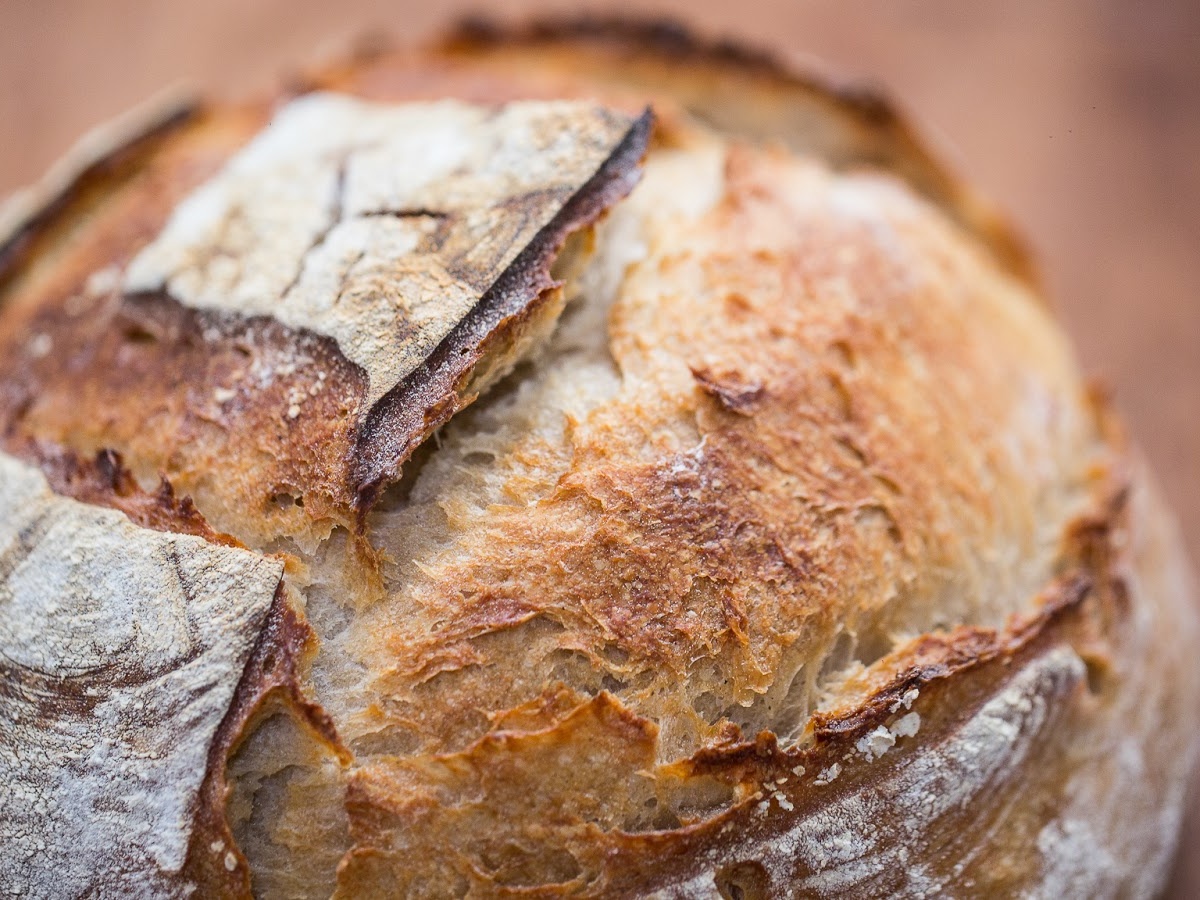
- artisan bread
- gourmet sauces
- locally sourced meal products
Farm-to-table food businesses often collaborate with wellness retreat experiences, boutique lodges, and eco-tourism operators to create premium visitor experiences.
Business Models Driving SME Growth
Successful artisanal food businesses are using modern business models to improve profitability and customer retention.
The increasing demand for authentic local experiences is also driving growth in wellness and tourism-related industries. Visitors seeking handcrafted foods frequently engage in wellness retreats in New Zealand and nature-focused experiences.
Direct-to-Consumer Ecommerce
Many startups now sell products directly through ecommerce websites rather than relying entirely on supermarkets or distributors.
Benefits include:
- higher profit margins
- customer ownership
- recurring subscription revenue
- stronger brand control
Subscription Food Services
Subscription models are becoming increasingly popular for premium food products.
Examples include:
- monthly snack boxes
- organic produce delivery
- specialty coffee subscriptions
- curated gourmet food packages
These models create recurring revenue and improve customer lifetime value.
Farmers Markets and Local Retail Partnerships
Many early-stage food businesses use local markets and independent retailers to validate products before scaling nationally.
This approach helps businesses:
- test consumer demand
- collect customer feedback
- improve branding
- reduce early marketing costs
Export-Focused Manufacturing
Some New Zealand SMEs are building businesses specifically for export markets, particularly across Asia-Pacific regions where premium New Zealand branding carries strong value.
Export-focused businesses often target:
- organic food markets
- premium health products
- sustainable food categories
- specialty dairy and snack products
Export Opportunities for New Zealand Food Brands
New Zealand already has a strong global reputation for food quality, agriculture, and sustainability. This reputation creates valuable opportunities for artisanal food exporters.
International consumers increasingly associate New Zealand products with:
- clean production standards
- natural ingredients
- food safety
- premium quality
- environmentally responsible farming
Markets across Asia, Australia, North America, and parts of Europe continue showing strong demand for premium imported food products.
Businesses that develop scalable production systems and regulatory compliance strategies may benefit significantly from export expansion.
Many successful food brands partner with tourism businesses to increase visibility and attract international customers seeking authentic New Zealand experiences.
Challenges Facing Artisanal Food Entrepreneurs
Despite growth opportunities, the industry also presents several operational challenges.
Rising Production Costs
Small-scale production often leads to higher manufacturing costs compared to large commercial food companies.
Common cost pressures include:
- ingredient sourcing
- packaging expenses
- logistics
- labor costs
Regulatory Compliance
Food businesses must comply with strict health, labeling, and export regulations.
Entrepreneurs entering the industry should understand:
- food safety requirements
- packaging standards
- export certifications
- ingredient compliance laws
Failure to meet compliance standards can create operational and reputational risks.
Scaling Production
Many artisanal businesses struggle when transitioning from small-batch production to larger-scale operations.
Scaling challenges often involve:
- maintaining product consistency
- managing supply chains
- controlling costs
- expanding distribution channels
Businesses that invest early in operational systems and supplier relationships are typically better positioned for long-term growth.
Future Trends in Sustainable Food Businesses
Several emerging trends are expected to shape the future of New Zealand’s artisanal food industry.
Sustainable Packaging
Consumers increasingly expect environmentally responsible packaging solutions. Businesses adopting recyclable or biodegradable packaging may gain competitive advantages.
Sustainability has become a major purchasing factor for modern consumers, creating overlap between artisanal food brands and environmentally focused sustainable tourism ventures.
AI and Data-Driven Food Operations
Food startups are beginning to use AI tools for:
- inventory forecasting
- customer analytics
- ecommerce personalization
- supply chain optimization
Technology adoption may improve efficiency and profitability for growing SMEs.
Functional and Health-Focused Foods
Demand for foods connected to wellness and nutrition continues increasing.
Products targeting:
- gut health
- immunity support
- protein intake
- low-sugar diets
- natural ingredients
are expected to remain high-growth categories.
Final Thoughts
New Zealand’s artisanal food industry presents strong opportunities for entrepreneurs, SMEs, and sustainable food startups. Growing consumer demand for premium, transparent, and ethically produced products is reshaping the market and creating space for innovative food brands.
Businesses that focus on quality, sustainability, operational efficiency, and strong branding are better positioned to compete in both domestic and international markets.
For startups entering the sector, long-term success will depend on balancing product innovation with scalable business models, regulatory compliance, and changing consumer expectations.