
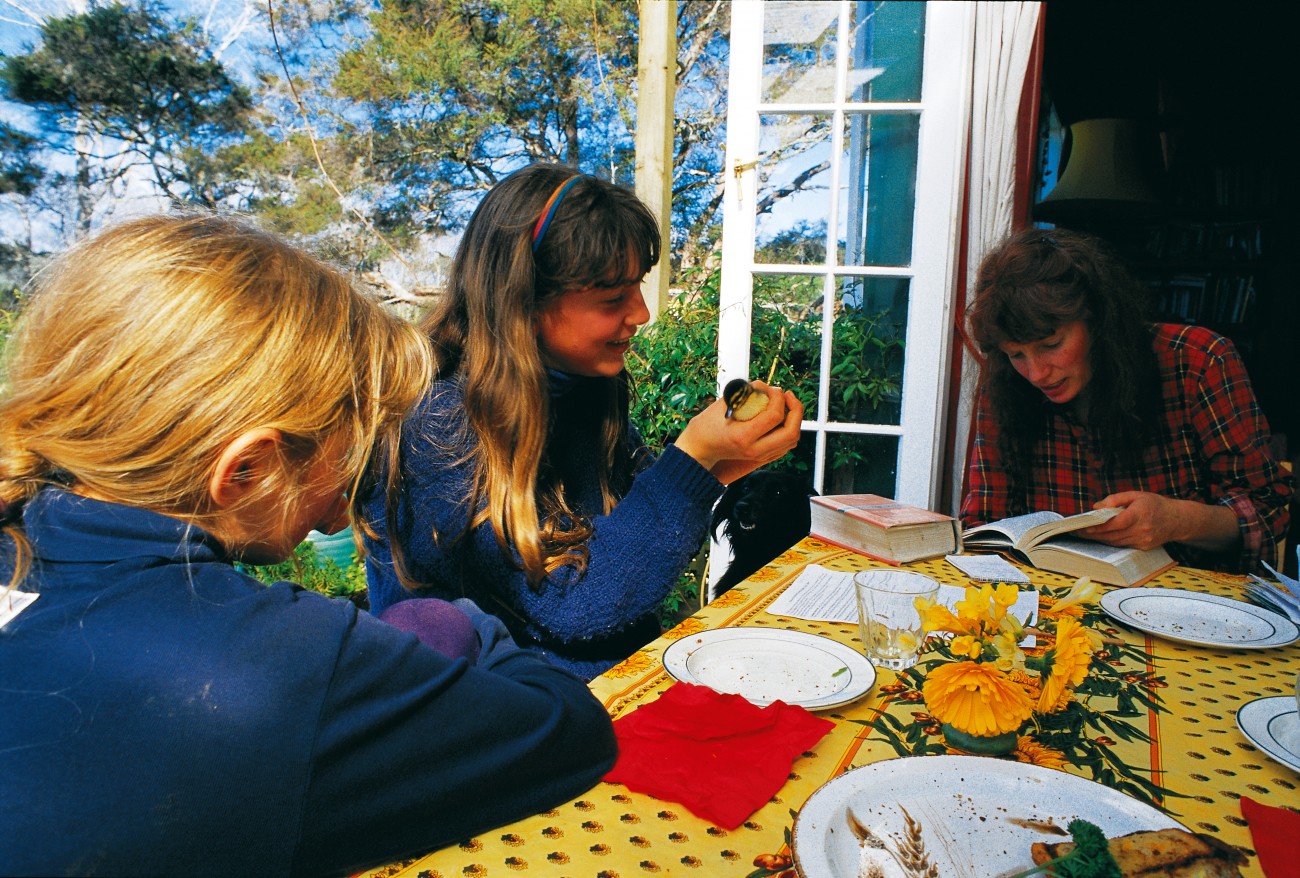
Introduction to NZ’s Artisanal Food Scene
Have you ever wondered why New Zealand seems to produce some of the world’s finest artisanal foods? From creamy cheeses to aromatic honey and handcrafted chocolates, NZ’s artisanal food scene is booming. This revolution isn’t just about eating well—it’s about celebrating local farmers, sustainable practices, and creative entrepreneurship. For NZ residents, entrepreneurs, business investors, and international audiences interested in NZ artisanal food business ideas, this is a market filled with opportunity and inspiration.
What Makes NZ Artisanal Food Unique?
Fresh, Local Ingredients
One of the standout features of New Zealand’s artisanal food is its connection to local farms. Producers prioritize fresh, seasonal ingredients sourced directly from the land. Think sun-ripened tomatoes, creamy dairy straight from sustainable farms, and freshly harvested herbs—every bite tells a story of where it came from.
Sustainable and Ethical Practices
Sustainability isn’t just a buzzword in NZ—it’s a way of life. Many artisanal food businesses are built around organic farming, ethical animal husbandry, and eco-friendly production methods. For entrepreneurs, this focus on sustainability can be a unique selling point, attracting conscious consumers who care about their food sources.
The Rise of Small-Scale Producers in NZ
Farmers Turning Innovators
Gone are the days when farmers only sold raw produce. Today, they’re crafting value-added products—like artisanal cheeses, preserves, and specialty oils—that can command premium prices. Farmers are embracing innovation, using their intimate knowledge of the land to create products with a personal touch.
Specialty Producers: Cheese, Honey, and Beyond
New Zealand is home to a variety of specialty foods. For example, Manuka honey is globally recognized for its medicinal properties, while local cheesemakers produce cheeses that rival European classics. Entrepreneurs exploring NZ artisanal food business ideas can find inspiration in these success stories.
Key Trends Driving the Artisanal Food Revolution
Organic and Natural Products
Consumers are moving away from processed foods, favoring natural and organic options. Artisanal producers in NZ meet this demand by offering products free from additives and preservatives, highlighting the purity of their ingredients.
Functional and Health-Focused Foods
Superfoods and Nutritional Boosts
From spirulina-infused treats to antioxidant-rich jams, NZ artisanal products are increasingly functional. Entrepreneurs can tap into this trend by offering health-focused items that combine taste with tangible benefits—a strategy that works well for both domestic and international markets.
Food Tourism and Experience-Based Dining
Tourism is another driver of the artisanal revolution. Visitors want immersive experiences like farm tours, cheese-making workshops, and tasting sessions. Businesses that combine quality products with unique experiences often see higher engagement and brand loyalty.
Opportunities for Entrepreneurs: NZ Artisanal Food Business Ideas
Starting Small-Scale Food Production
Many successful businesses begin in small kitchens or local farms. For budding entrepreneurs, producing high-quality, handcrafted foods in manageable batches allows you to refine your process and build a loyal customer base.
Online and Direct-to-Consumer Sales
Digital platforms are transforming how NZ artisanal products reach consumers. Online stores, social media promotions, and subscription boxes enable small producers to sell directly to customers nationwide or even internationally.
Collaborations with Cafes and Restaurants
Partnerships with local eateries can increase visibility. Supplying artisanal cheeses, pastries, or condiments to restaurants is a smart way to reach new audiences and gain credibility.
Challenges in the Artisanal Food Industry
Regulatory Compliance and Food Safety
Navigating NZ’s strict food regulations is essential. While it ensures high-quality products, it can be challenging for startups. Understanding licensing, labeling, and safety standards is crucial to avoid setbacks.
Competition and Market Saturation
As the artisanal food trend grows, so does competition. Standing out requires innovation, strong branding, and a clear value proposition. Entrepreneurs must constantly evolve to maintain relevance in this vibrant market.
Case Studies of Successful NZ Artisanal Brands
Several NZ brands have become household names by combining quality, sustainability, and storytelling. From boutique chocolatiers to craft breweries and cheese makers, these success stories provide a roadmap for anyone exploring NZ artisanal food business ideas.
How International Investors Can Tap into NZ’s Artisanal Market
Export Opportunities
NZ’s artisanal products are increasingly in demand worldwide. Exporting premium items like Manuka honey, gourmet cheeses, and handcrafted snacks can be lucrative, especially when marketed as authentic, high-quality Kiwi products.
Partnerships with Local Producers
Investors can also collaborate with established local producers. By providing capital, marketing expertise, or distribution channels, they help scale operations while benefiting from the growing global interest in NZ artisanal foods.
Future of NZ Artisanal Food
Innovation and Technology Integration
The future lies in smart production techniques, online marketplaces, and eco-friendly packaging solutions. Combining traditional craftsmanship with modern tech ensures artisanal brands remain competitive and sustainable.
Consumer Awareness and Ethical Eating
As more people embrace ethical consumption, the demand for local, transparent, and sustainable foods will only grow. Entrepreneurs who align their business with these values will find long-term success.
Conclusion
New Zealand’s artisanal food revolution isn’t just a trend—it’s a movement that celebrates quality, sustainability, and innovation. Whether you’re a local resident, entrepreneur, investor, or international business enthusiast, the opportunities are abundant. By embracing authenticity, ethical practices, and creativity, you can carve a niche in this thriving industry. NZ’s artisanal food market is not just about food—it’s about culture, community, and business potential.
FAQs
1. What qualifies as an artisanal food product in New Zealand?
Artisanal food products are handcrafted, high-quality items made in small batches using fresh, local, and often organic ingredients.
2. Are there export opportunities for NZ artisanal foods?
Yes, products like Manuka honey, specialty cheeses, and gourmet snacks have strong demand internationally.
3. How much capital is needed to start an artisanal food business in NZ?
It depends on the scale. Small-scale producers can start with minimal capital, while larger operations may require significant investment for equipment and regulatory compliance.
4. Can international investors partner with NZ artisanal producers?
Absolutely. Investors can collaborate through capital investment, marketing support, or distribution partnerships.
5. What trends will shape the future of NZ artisanal foods?
Sustainability, ethical consumption, online sales, and functional health foods are key trends driving growth.
Explore our resources for actionable insights into NZ artisanal food businesses and practical guides for startups.
